
Hair Loss After Pregnancy: Causes, Myths & Treatment Options
Seeing more hair in your brush, shower, or even on your pillow after giving birth can be alarming. If you’re a new mum, it’s completely understandable to feel a twinge of panic. But here’s some reassurance: postpartum hair loss is extremely common and, thankfully, in most cases, completely temporary.
Many women notice a sudden increase in shedding a few months after delivery, even if their hair seemed thicker during pregnancy. This happens because your body is readjusting to its normal hormone levels. Most women gradually regain their usual hair volume over time, though the journey can feel slow and frustrating.
In this article, we’ll walk you through why hair loss happens during and after pregnancy, dispel some common myths, explain what postpartum shedding looks like, and explore safe ways to support regrowth—even while breastfeeding. We’ll also highlight when it might be worth consulting a specialist in Singapore, so you know exactly what to do.
What is Postpartum Hair Loss or Hair Loss after Pregnancy?
Hair loss after pregnancy, also known as postpartum telogen effluvium, is temporary shedding that typically begins 2–4 months after delivery due to falling oestrogen levels. Most women regain normal hair thickness within 6–12 months.
Is Hair Loss After Pregnancy Normal? (Postpartum Shedding Explained)
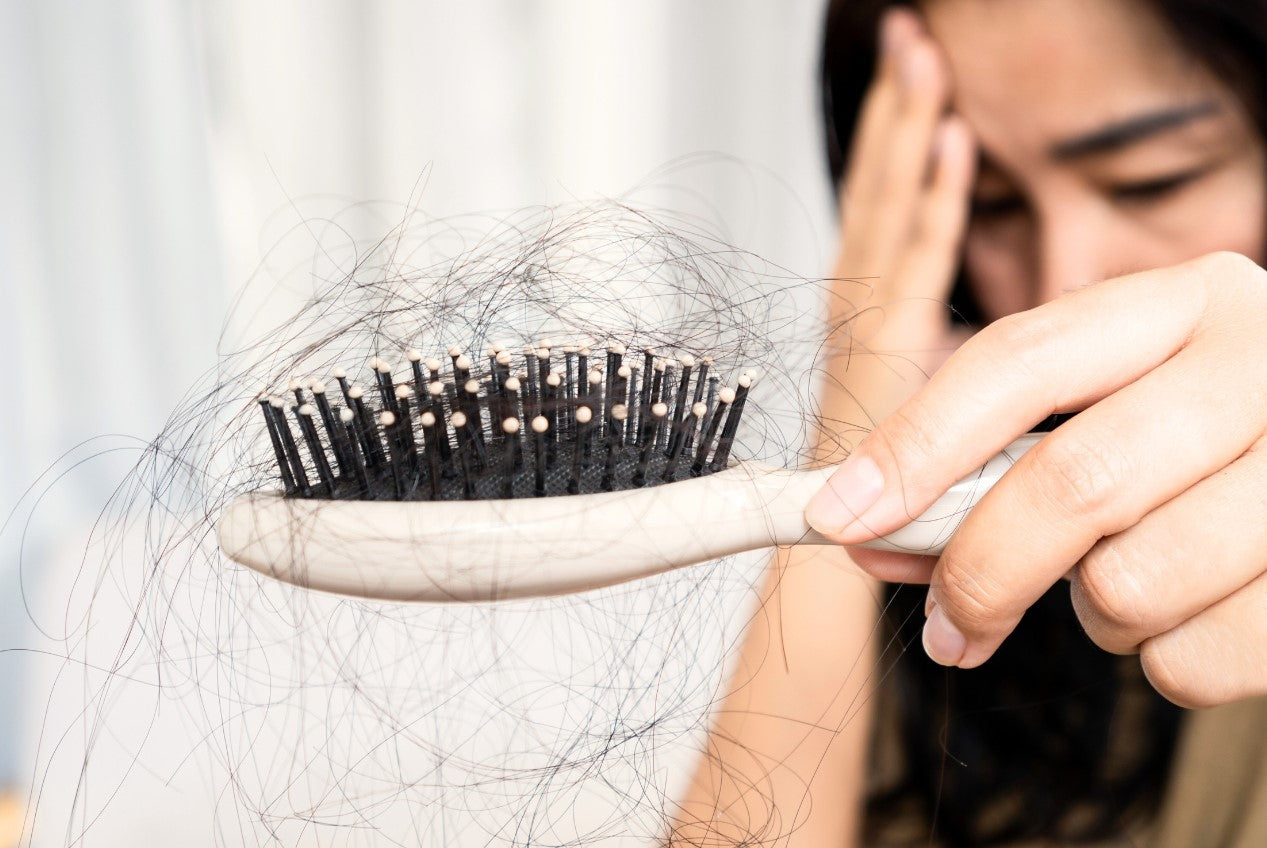
Absolutely. If you’re noticing more hair than usual, you’re not alone. Many new mums see extra strands when brushing their hair a few months postpartum. This type of hair loss is commonly called postpartum shedding and is a normal part of your body adjusting after pregnancy.
During pregnancy, higher levels of hormones like oestrogen help keep hair in its growth phase, which is why your hair may have looked fuller or thicker. Once your baby arrives, hormone levels drop, and those extra hairs that were “resting” start to fall out. It’s simply your hair cycle returning to its pre-pregnancy rhythm.
The good news is that in most cases, your hair gradually returns to its usual volume over several months. While it can be worrying to see hair everywhere, try not to panic. Your hair is just doing its thing—adjusting after months of hormonal changes.
Why Hair Loss Happens During and After Pregnancy
Hair growth follows a natural cycle: growth, resting, and shedding. During pregnancy, high hormone levels keep more hair in the growth phase, which is why hair may feel thicker or fuller. After birth, those hormones drop, and the hairs that were resting begin to shed. This shedding is called telogen effluvium.
For most women, postpartum hair loss becomes noticeable around 2 to 4 months after delivery. Other factors can make shedding more pronounced, including:
-
Stress and fatigue
-
Interrupted sleep
-
Thyroid changes
-
Minor nutritional gaps (common in the first months after delivery)
If you notice extra hair fall, don’t panic. With time, rest, and proper care, most women see their hair bounce back to its pre-pregnancy thickness.
Common Myths About Pregnancy Hair Loss
There’s no shortage of misinformation surrounding postpartum hair loss. Here are some of the most common myths—and the truth behind them:
Myth 1: “You’ll lose all the hair you gained during pregnancy.”
Reality: Most mums gradually regain their usual hair thickness. You won’t lose all the hair that grew during pregnancy—just the extra strands that were temporarily retained.
Myth 2: “Brushing your hair makes it fall out faster.”
Reality: Gentle brushing won’t speed up shedding. Those hairs were already in the resting phase. Brushing carefully actually helps prevent tangles and breakage.
Myth 3: “Hair loss means something is wrong with your health or breastfeeding.”
Reality: Postpartum hair loss is normal. It doesn’t usually signal a health problem or affect your ability to breastfeed.
Understanding the reality behind these myths can ease anxiety. Temporary shedding is a natural part of your body’s adjustment, and your hair usually recovers on its own.
What Postpartum Hair Loss Looks Like
Postpartum shedding often happens gradually, but there are some telltale signs:
-
More strands in your brush, shower, or on your pillow
-
Thinner ponytails or slightly wider partings
-
Noticeable thinning around the front hairline or temples
-
Short new hairs sprouting along the edges during regrowth
Hair loss is generally diffuse, meaning it’s spread across the scalp rather than forming bald patches. Most women slowly regain their pre-pregnancy hair density as their body readjusts.
Patience is key—regrowth can feel slow, but it usually happens.
How Long Does Hair Loss After Pregnancy Last? Timeline & Recovery Stages
One of the most common questions is: “When will this end?”
The timeline varies, but for most women:
-
Start of shedding: Around 2–3 months postpartum
-
Recovery: Typically 3–6 months
-
Complete regrowth: For some, closer to a year
Factors like genetics, stress, diet, sleep, and overall health influence recovery. Breastfeeding does not directly cause hair loss, though continued hormonal shifts may slightly prolong shedding.
If shedding continues beyond 12 months, or if you notice patchy or worsening thinning, it’s worth consulting a doctor. In most cases, though, the hair gradually returns to its previous fullness.
When Hair Loss May Signal a Problem
While postpartum shedding is usually harmless, certain signs suggest it’s time to seek professional help:
-
Patchy hair loss or clearly defined bald spots
-
Scalp irritation, redness, itching, or pain
-
Heavy shedding beyond 12 months postpartum
-
Hair thinning that worsens instead of gradually improving
These may indicate underlying conditions like thyroid imbalances, iron-deficiency anaemia, or forms of alopecia. Early diagnosis allows for targeted treatment, improving the chances of restoring healthy hair growth.

Treatment Options for Hair Loss After Pregnancy
Most postpartum hair loss improves naturally, but there are gentle ways to support your hair:
1. Focus on Nutrition
Hair needs proper nourishment to grow. Essential nutrients include:
-
Iron
-
Zinc
-
Protein
-
Vitamins B and D
Low iron or nutrient deficiencies can make shedding worse. Eating iron-rich foods, consuming enough protein, and staying hydrated can help. If you’re unsure about your nutrient levels, a simple check-up can provide clarity and peace of mind.
2. Be Gentle With Your Hair
Handle your hair carefully:
-
Use a soft brush or wide-tooth comb
-
Avoid tight hairstyles that pull at the roots
-
Minimise heat styling
These small adjustments reduce breakage and protect your hair while new strands grow.
3. Herbal and Topical Support
Some mums find gentle, plant-based treatments helpful. Herbs like ginseng are traditionally believed to improve scalp circulation and nourish follicles. In Singapore, many women use herbal shampoos and tonics designed to cleanse the scalp gently while supporting hair strength.
These products are not magic fixes—they work best alongside good nutrition, stress management, and careful hair care—but they can provide reassurance and a sense of control during this postpartum phase.
Safe Solutions During Breastfeeding
Hair care methods for postpartum shedding are generally safe while breastfeeding:
-
Use a soft brush and keep hair loose
-
Limit heat styling
-
Maintain a nutrient-rich diet and doctor-approved supplements
-
Avoid high-dose or unverified herbal remedies
Gentle shampoos, herbal tonics, and topical treatments are usually safe since they’re not absorbed into the bloodstream. Avoid harsh chemicals or strong dyes to help your hair recover naturally without affecting your baby.
When to Seek Professional Help in Singapore
Although most hair loss resolves on its own, you may want professional guidance if:
-
You notice patchy thinning
-
Shedding is unusually heavy
-
Hair hasn’t bounced back after a year
Dermatologists, trichologists, and clinics specialising in postpartum hair care can assess your scalp, identify any underlying issues, and recommend safe, personalised solutions. Early consultation can ease anxiety and improve hair recovery outcomes.
Conclusion
Seeing more hair than usual after giving birth can feel alarming, but postpartum hair loss is very common and usually temporary. It’s your body’s natural adjustment after months of hormonal changes.
Supporting your hair with gentle care, a nutrient-rich diet, and plenty of rest can make recovery easier. Most women gradually regain their pre-pregnancy hair volume.
If shedding is unusually heavy, patchy, or prolonged, consult a healthcare professional. With the right care, you can confidently manage hair loss after pregnancy and give your hair the best chance to bounce back.
Frequently Asked Questions About Pregnancy Hair Loss
Is it normal to lose hair while breastfeeding?
Yes. Hair loss after pregnancy can continue while breastfeeding because hormone levels are still adjusting. For most women, shedding slows within 6–12 months postpartum.
Will my hair return to its pre-pregnancy thickness?
For most women, yes. Hair typically regains fullness within 6 to 12 months postpartum.
Which vitamins help with postpartum hair loss?
Iron, zinc, protein, vitamin D, and B vitamins. Always check with your doctor before taking supplements while breastfeeding.
Why did my hair feel thicker during pregnancy?
High oestrogen levels keep more hairs in the growth phase, making hair appear fuller. Shedding happens naturally after birth as hormone levels drop.
Is hair loss during pregnancy a sign of illness?
Usually not. Most shedding is a normal adjustment. Seek professional advice if hair loss is patchy or unusually heavy.
