
Hair Loss During Pregnancy: Is It Normal, and What Could It Mean?

Pregnancy brings many changes to your body, and your hair also changes. Some women notice thicker hair, while others may notice more shedding than usual. If you have hair loss during pregnancy, you may wonder whether it is normal or a sign of a health problem.
Hormone changes often keep more hair in the growth phase during pregnancy. This is one reason many women have fuller hair while they are pregnant. But some women may also experience shedding and pregnancy-related hair growth changes, due to many reasons such as anaemia, thyroid disease, poor diet, or hair damage from tight styles.
This article explains why some women experience hair fall during pregnancy, what treatment options are safe, and how to care for their hair safely.
Is Hair Loss Normal During Pregnancy?
Although not as common, some women experience hair shedding during pregnancy. Whether it's normal depends on its severity and what might be triggering it.
Seeing more broken hair when washing or brushing does not necessarily mean something is abnormal. Your hair naturally sheds some as part of its growth and shedding cycle. But if you notice you have lost more hair than usual, note it down and see if it continues. Then consult your doctor.
Hair Loss During Early Pregnancy and Before Childbirth
If you are wondering when does hair loss start during pregnancy, there is no specific time when it starts. Some women experience it early in pregnancy, whereas others might struggle with it at the later stages.
Hair Loss During Pregnancy: First Trimester
If you notice shedding early in pregnancy, consider what changed around the time of conception. Hair fall is common during pregnancy, but other factors can also cause it.
For example, some women stop taking birth control pills when they plan to conceive. The drop in the level of hormones due to discontinuing the pill may cause hair shedding. Nausea can also contribute because it can make it difficult to maintain adequate nutrition.
However, hair loss during the first trimester of pregnancy should not automatically be blamed on pregnancy hormones. If shedding is excessive or persistent, consult your doctor.
Hair Loss During Pregnancy Third Trimester
Some women notice hair changes late in pregnancy. The factors affecting women can differ. Just because you are pregnant doesn't mean you should ignore shedding. If you experience sudden, severe hair loss in patches, see your doctor to determine the cause and take the necessary steps.
What Causes Hair Loss During Pregnancy?
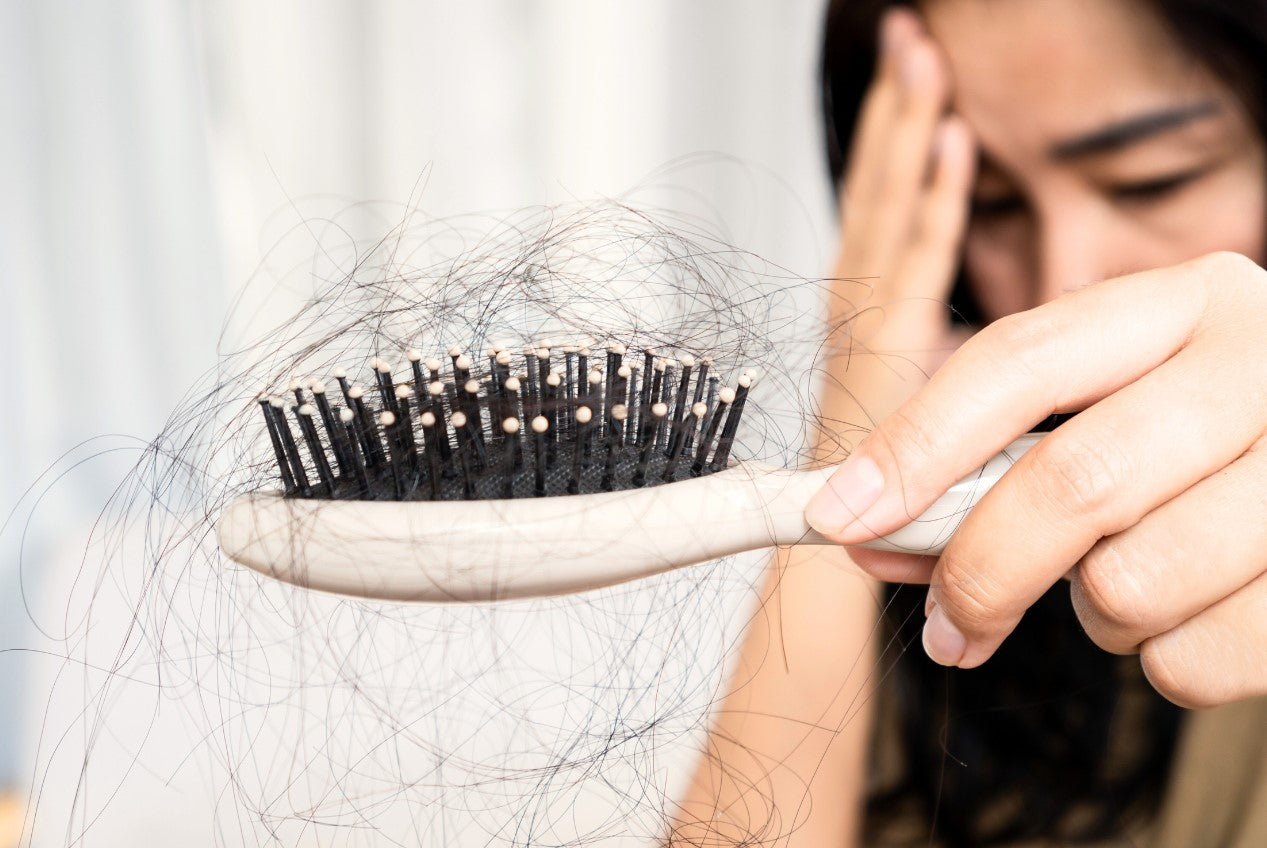
Several factors can explain loss of hair during pregnancy. A healthcare professional starts by identifying the cause before treating hair shedding.
1. Low Iron Levels
Iron is necessary to form healthy red blood cells; this is why iron deficiency has been linked to hair loss. The body needs more iron during pregnancy, so deficiency can contribute to increased hair fall during this time.
However, it is important not to self-medicate and start taking iron supplements just because you are losing your hair. Excess iron can be dangerous, and not all hair loss is linked to iron deficiency. Consult your doctor, who can order the necessary blood tests and create a treatment plan accordingly.
2. Thyroid Problems
The thyroid gland regulates many physiological processes, including metabolism. Thyroid health can influence hair growth. If you have a thyroid dysfunction, you may notice other symptoms like tiredness, noticeable weight loss or gain, and/or excessive sensitivity to heat or cold. Both an underactive and overactive thyroid can disrupt the normal hair growth cycle, resulting in increased hair shedding.
If you also experience hair loss during pregnancy, consult your doctor, who will guide you and order the necessary tests.
3. Stopping Birth Control Pills Before Pregnancy
Many women report excess shedding after stopping hormonal birth control. This is because changes in hormone levels affect the hair growth cycle, and hair loss may become visible after conception.
4. Poor Nutrition Due to Severe Morning Sickness
In cases when women experience severe nausea and vomiting, it becomes hard to keep down sufficient food and fluids. If you can't keep food down, you may lack essential nutrients.
Nutritional deficiencies can cause shedding, but hair fall alone doesn't indicate which specific nutrient is lacking. If you have trouble keeping food and fluids down, consult your doctor immediately, who will advise the right course of action.
5. Tight Hairstyles and Hair Damage
Ponytails, braids, and hair extensions can put stress on hair roots. If this stress happens regularly, it can cause traction alopecia, a form of hair loss.
Loose hairstyles that don't strain your scalp can help. Also avoid harsh brushing and be gentle with wet hair. This can help prevent traction alopecia-related loss of hair.
6. Existing Hair Thinning
Sometimes pregnancy can make an existing hair problem easier to notice. If you have thinning hair, texture changes, or increased shedding, they may become more obvious. A doctor or hair care professional can help determine whether you have an underlying hair/scalp problem.
When Is Hair Loss During Pregnancy a Concern?
Some hair shedding is common and part of the hair cycle. However, extreme shedding during pregnancy needs attention, especially if it develops suddenly and worsens quickly.
Contact your doctor if you notice:
-
Large amounts of hair falling out quickly.
-
Bald patches or clear gaps in your hair.
-
Scalp redness, pain, itching, or scaling.
-
Hair loss along with unusual tiredness or other new symptoms.
-
Severe morning sickness that makes it hard to keep food or fluids down.
These signs do not always mean a major problem. But they may indicate that something needs to be addressed. Your doctor will ask about your diet, medications, medical history, and when the shedding started.
If the shedding is severe, don't wait until delivery to ask for help. Finding the cause can help you choose the right next step.
How to Prevent Hair Loss During Pregnancy
If you are wondering how to stop hair loss during pregnancy, you must first find out the root cause. You cannot prevent every type of hair shedding, but a few simple habits can help preserve your hair and scalp.
Eat a Balanced Diet

Aim for a balanced diet with sufficient protein and iron. Foods rich in these nutrients include eggs, beans, lentils, fish, meat, and green vegetables. If nausea makes it hard to eat, talk to your physician. They can advise you on ways to manage it and whether you need extra support.
Avoid Tight Hairstyles
Wear hairstyles like loose ponytails, braids, and buns. Avoid hairstyles that cause pain or tug on your scalp. This will minimise tension-related hair fall, but it won’t prevent the shedding caused by hormonal changes, low iron, thyroid disorders, or other such issues.
Handle Your Hair Gently
Comb your hair gently using a wide-toothed comb and don’t tug at knots. Limit heat styling if your hair breaks easily. Use a mild scalp shampoo, and avoid harsh treatments if your scalp is irritated.
Remember, preventing hair loss during pregnancy depends on its cause. Gentle hair care can minimise breakage, but it can’t fix an iron deficiency or thyroid disorder.
Ask Before Taking Supplements
Never take hair growth pills, vitamin pills, or herbs without first consulting your physician. Some ingredients may not be safe for pregnant women, and taking excess vitamins when you don't need them can cause harm. Your physician will prescribe the appropriate vitamins if you have a deficiency.
Shampoo for Hair Loss During Pregnancy: What Should You Choose?

It's understandable to look for a shampoo for hair loss during pregnancy, especially if you notice hair in the shower, but remember that shampoo cannot solve all cases of shedding.
The right shampoo can help keep your hair and scalp clean without the added irritation. Choose a shampoo based on your scalp type, and use it as directed by the manufacturer. Avoid anything that burns, itches, or makes your scalp red.
What Is the Best Shampoo for Hair Loss During Pregnancy?
No single shampoo works for every pregnant woman. It depends on whether you have a dry or oily scalp, irritation, dandruff, or hair breakage, or if hair fall is due to something else.
Use caution when considering hair growth shampoos. A shampoo described as "natural" or "herbal" does not mean it is safe to use during pregnancy. Check the ingredients or ask your doctor or pharmacist if you're unsure about a particular product.
If you have excessive hair loss, changing your shampoo may not help. A medical consultation may reveal whether you need treatment for another health condition that might be causing hair fall.
Are Hair Treatments Safe During Pregnancy?
When you are pregnant, it is important to check whether any product or chemical treatment you plan to use is safe. Hair dye, chemical hair straightening, keratin treatment, and hair loss medications differ, and each requires its own answer.
Hair Dye During Pregnancy
According to the NHS, most research suggests hair colouring is safe during pregnancy because a healthy scalp absorbs only small amounts of hair dye. However, obstetricians suggest waiting to dye your hair until after the 12th week of pregnancy, when the fetus’s main organs are forming. Also, it is suggested to get balayage or highlights, as these techniques keep chemical hair dye away from the roots, minimising chemical absorption through the skin.
If you decide to colour your hair:
-
Tell your hairdresser that you are pregnant.
-
Follow the product instructions and do not leave the dye on longer than directed.
-
Use a well-ventilated space.
-
Wear gloves if applying dye at home.
-
Do a patch test, even if you have used the product before.
Rebonding, Chemical Straightening, or Keratin Hair Treatments
Most physicians and obstetricians recommend avoiding rebonding, keratin or chemical hair straightening during pregnancy. These techniques use harsh chemicals that release toxic fumes, such as formaldehyde or methylene glycol derivatives, when exposed to heat. When inhaled, these fumes can cause irritation, respiratory problems, dizziness, or nausea.
Moreover, pregnancy hormones can make the skin more sensitive. When such chemicals are applied to the scalp, they can cause dermatitis and irritation.
Safer alternatives include temporary heat styling when required to avoid permanent changes to the hair structure and waiting after childbirth and breastfeeding before undergoing harsh chemical treatments.
Is Minoxidil Safe During Pregnancy?
Minoxidil is a medicine prescribed to treat specific cases of hair loss. It is classified as Pregnancy Category C, meaning it is not safe for use during pregnancy. Research shows that it can cause fetal harm through oral doses as well as by absorption through the scalp. You must stop using Minoxidil immediately if you plan to conceive or have become pregnant.
If you are already using minoxidil and become pregnant, consult your obstetrician for guidance. Minoxidil can also be passed into breast milk and is therefore not recommended while breastfeeding.
Can You Get Hair Loss Treatment During Pregnancy?
If you experience hair loss while pregnant, it is important to determine the cause first.
Your healthcare provider can check whether you have any underlying conditions like iron deficiency or thyroid disorder and recommend appropriate treatment.
Two Herbs offers pregnancy hair loss treatment that is effective, gentle, and safe. You can also read about post-partum hair loss treatment by Two Herbs to see what options are available after you give birth.
Conclusion
Hair changes in pregnancy are common, with hair loss being one of them. The key to managing hair fall during pregnancy is identifying the cause first. Causes can range from low iron levels and thyroid issues to nutritional deficiencies, hormonal changes, and tight hairstyles.
If you experience sudden, severe or patchy loss of hair, consult your doctor. Eating a healthy diet, handling your hair gently, and consulting a health care provider before trying hair growth medications are all important. Contact Two Herbs for a professional assessment and to discuss your treatment options.
