
Stress Female Hair Loss: Causes, Patterns & Proven Solutions
Stress can absolutely trigger hair loss in women. When your body goes through emotional strain, illness, or prolonged anxiety, more hairs than usual shift into the resting phase and start shedding a few months later. This often looks like sudden overall thinning, extra strands in the shower, or a part line that seems wider than before. The reassuring part? In most cases, it’s temporary, and your hair can recover.
Stress female hair loss, medically known as telogen effluvium, occurs when emotional or physical stress pushes more hairs into the resting phase, causing noticeable shedding 2–3 months later. In most cases, it is temporary and reversible once stress levels improve.
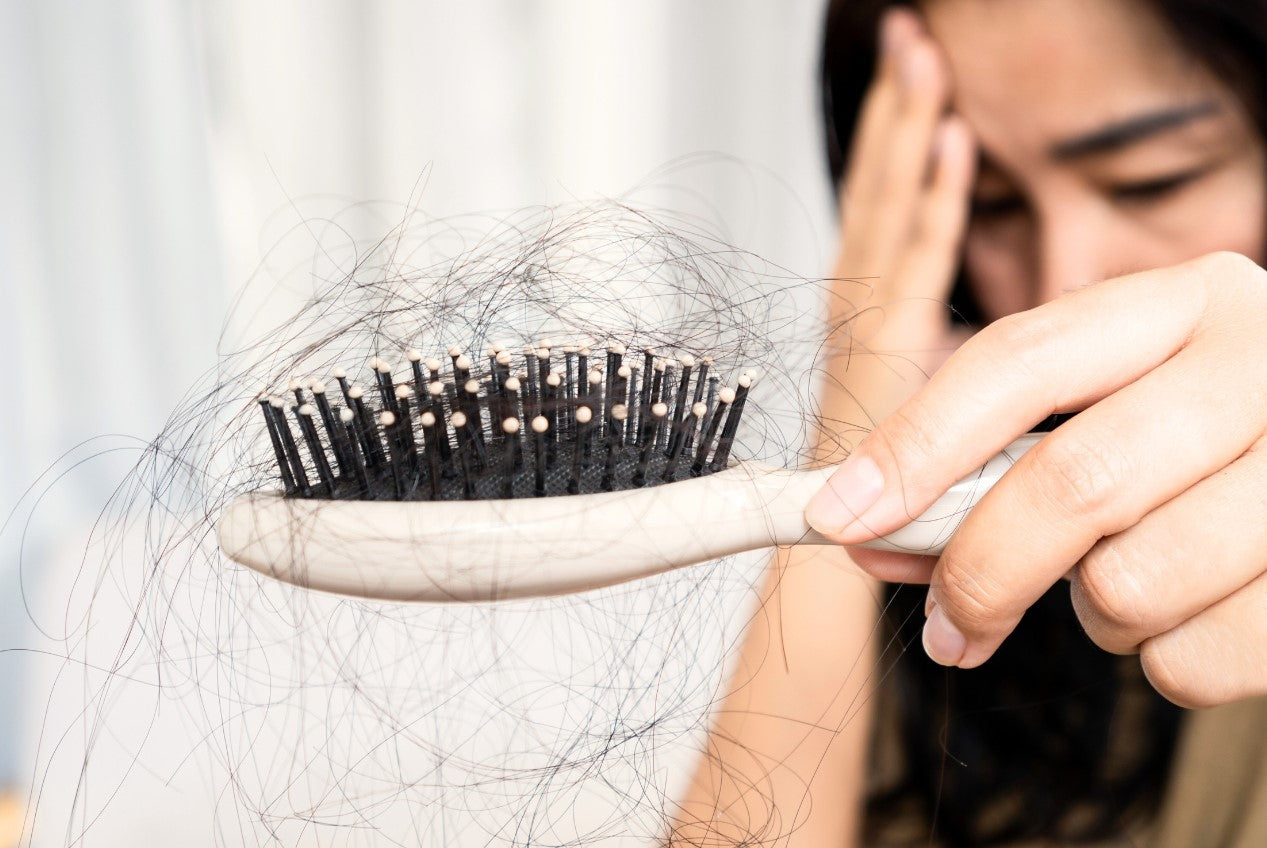
If you’ve caught yourself staring at the clump in your brush thinking, “This can’t be normal…” — you’re in the right place. Many women experience female hair loss due to stress after demanding periods at work, family pressures, health scares, or ongoing anxiety. What makes it especially frustrating is the timing. The shedding usually begins weeks or even months after the stressful period, so it can feel confusing and completely out of the blue.
Here’s what’s important to understand right away:
-
Most stress hair loss in females is reversible.
-
It typically causes diffuse thinning rather than a receding hairline.
-
Once the underlying stress is managed, regrowth often follows.
-
Getting support early can shorten the shedding phase and improve recovery.
If you’d like to understand exactly what a female stress hair loss pattern looks like, how long recovery really takes, and what proven treatments are available, let’s walk through it together below.
What Is Stress Female Hair Loss? (Telogen Effluvium Explained)
Sometimes your hair is the first place your body shows that it’s been through a lot.
Stress-related hair loss in females happens when your system experiences a shock — physical, emotional, or both — and reacts by shifting more hair than usual into the shedding phase. You’re not going bald overnight. But you might notice your ponytail feels thinner, your part looks wider, or there’s suddenly far more hair in the shower than you’re used to seeing.
Doctors call this condition telogen effluvium, but the concept itself is straightforward. Hair grows in cycles. At any given time, most of your strands are actively growing, while a smaller number are resting before they naturally fall out. When you go through intense stress, your body disrupts that rhythm. It pushes a larger group of hairs into the resting phase all at once. A few months later, they shed together — and that’s when the panic usually sets in.
This is why female hair loss due to stress can feel confusing. The shedding typically starts two or three months after the stressful event. By then, you may have already moved past the illness, the surgery, the emotional upheaval, or the exhausting work period that triggered it.
It’s also different from hormonal or genetic thinning. Female pattern hair loss tends to creep in gradually, usually starting at the crown or along the part line. In contrast, stress hair loss in females usually feels more sudden and more widespread.
What Does Stress Hair Loss Look Like in Females?
Stress-related hair loss in women usually shows up as sudden shedding rather than obvious bald spots. Most often, it’s the little things that catch your attention first.
You might notice more hair in the shower or on your brush than usual. Strands on your pillow in the morning or scattered on the floor start to feel like a pattern. Your ponytail might look thinner, or styles that used to hold volume now fall flatter. Some women see a slightly wider part or a bit more scalp showing at the crown — all signs of overall thinning rather than permanent loss in a specific area.
The important thing to know is that even if the shedding looks dramatic, it usually is not permanent. Most follicles remain healthy underneath, and new hair can grow back once your body recovers and the stress trigger is addressed.
It can feel worrying to see more hair falling, but this is typically just a temporary disruption in your hair’s natural growth cycle — not a sign of lasting damage.

Common Female Stress Hair Loss Patterns
Stress affects everyone differently, and hair loss is no exception. Understanding the female stress hair loss pattern can help you figure out what’s happening and how to respond. Here are the most common ways it shows up:
Diffuse Thinning All Over
This is the type most women experience.
-
Hair feels thinner everywhere.
-
Your ponytail might look smaller, and overall volume is reduced.
-
There are not any bald spots — just a general lightening of hair density.
If your hair seems less full across the scalp rather than in one spot, diffuse thinning is likely what you’re dealing with.
Crown Thinning
Some women see the effect mostly at the top of their head. The part may look wider, and hair around the crown feels less dense.
Unlike diffuse thinning, this type is easier to spot in photos or when you look from above. The rest of your hair may feel normal, which can make the crown thinning stand out even more.
Iron Deficiency Pattern
Sometimes, low iron can make stress-related shedding worse — this is known as the iron deficiency female stress hair loss pattern.
-
You notice more hair falling out and feel unusually tired.
-
Nails may become brittle, and skin can look paler.
-
Hair may break easily.
If shedding comes with fatigue or other signs of low iron, a simple blood test can show whether you need supplements.
Patchy Loss (Alopecia Areata Triggered by Stress)
In some cases, stress can trigger alopecia areata. In this condition, your immune system attacks hair follicles and it manifests in the form of round, isolated bald spots.
This pattern is different from the others because the loss is isolated rather than spread across the scalp. If you notice patchy hair loss, it’s best to seek professional advice.
Quick Comparison:
|
Pattern |
What You See |
Key Sign |
|
Diffuse Thinning |
Hair feels thinner all over |
Overall volume loss |
|
Crown Thinning |
Wider part, lighter crown |
Top-focused thinning |
|
Iron Deficiency |
Shedding + fatigue, brittle nails |
Low iron signs |
|
Patchy Loss |
Round bald spots |
Autoimmune involvement |
Why Stress Causes Hair Loss in Women
Hair doesn’t just grow endlessly — each strand follows a natural cycle: it grows, rests, and then sheds. Normally, only a small number of hairs are in the resting phase at any given time, so shedding goes almost unnoticed.
When your body is under stress — whether from work, family pressure, illness, or emotional strain — it can push more hairs than usual into the resting phase. A few weeks or months later, all those hairs fall out at once. That’s why stress hair loss female usually feels sudden, even if the stressful period has long passed.
Stress Hormones and Your Hair
Cortisol, the body’s main stress hormone, can interfere with hair follicles. When cortisol levels stay high for too long, follicles may slow down growth or become more fragile, leading to extra shedding.
Nutrients Under Pressure
Stress does not just affect hormones — it can also drain the nutrients your hair needs. Iron, zinc, protein, and biotin are essential for strong, healthy hair. When your body is focused on coping with stress, hair is not always top of the priority list.
Anxiety and Hormonal Shifts
Ongoing anxiety or chronic stress can subtly disrupt hormones like oestrogen or thyroid hormones. Even small changes can make hair thinning more noticeable and slow down regrowth.
Is Stress Female Hair Loss Permanent or Reversible? Recovery Timeline Explained
The good news is that, in most cases, stress-related hair loss is reversible. Your hair follicles are not gone — they’ve just gone into a temporary resting phase because your body was under pressure. Once your stress levels ease and your body has time to recover, hair usually starts growing back on its own.
While seeing extra strands fall can be alarming, it rarely means permanent damage. With patience, proper care, and a bit of time, most women regain their hair’s normal thickness and volume.
How to Diagnose Stress-Related Hair Loss
Finding out whether stress is behind your hair loss is usually more straightforward than it feels. A dermatologist or doctor will start by going over your medical history and asking about recent stressors, then may run simple blood tests to check iron levels, thyroid function, or vitamin D.
A scalp check can reveal where thinning is happening, and tests like the hair pull test or trichoscopy help show how many hairs are shedding and whether the follicles are healthy.
These steps also make it easy to tell the difference between stress-related shedding and other causes, like female pattern baldness, hormonal thinning from PCOS, or alopecia areata.
With professional guidance, diagnosing stress-related hair loss is usually quick, clear, and reassuring. Most women walk away understanding exactly what’s happening and what steps will help their hair recover.
Proven Solutions for Stress Female Hair Loss
Let’s look at some of the proven solutions you can use to remedy your hair loss issues:
1. Manage Stress: Calm Your Mind
Since stress is often the main trigger, addressing it first can make a big difference. Prioritise getting enough sleep, explore mindfulness or meditation, and include gentle daily movement like walks or yoga. If anxiety feels overwhelming, talking to a therapist or counsellor can provide valuable support. By creating a calmer mental space, you give your hair follicles a better environment to return to their normal growth cycle.
2. Herbal Support: Strengthen Hair Naturally
Herbal remedies have long been valued for their ability to soothe the scalp, improve circulation, and nourish hair at the roots. They work gently but effectively, giving follicles the nutrients they need to thrive.
In Singapore, Two Herbs offers herbal solutions tailored for stress-related hair loss:
-
Hair Loss Shampoo – Gently cleanses the scalp, reduces irritation, and strengthens roots.
-
Hair Loss Tonic – Delivers nutrients directly to follicles, encouraging thicker, denser hair.
-
Home Treatment Paste – Applied to the scalp to energise follicles and improve overall scalp health.
These herbal treatments focus where it matters most: at the roots, supporting natural regrowth.
3. Nutrition: Feed Your Hair from Within
Your hair reflects your overall health. Low iron, insufficient protein, or missing vitamins can slow recovery. Prioritise iron-rich foods, protein from eggs, fish, or lean meats, and plenty of fruits and vegetables. Even small, consistent changes in your diet can make a noticeable difference over time.
4. Scalp-Focused Treatments: Target the Problem Areas
Sometimes the scalp itself needs extra care. Professional treatments such as scalp detoxes, growth-stimulating serums, microneedling, or low-level laser therapy can improve circulation and activate dormant follicles. These targeted approaches help hair regrow faster and stronger, especially in thinning areas.
5. Medical Support: When Extra Help Is Needed
For persistent thinning, doctors may recommend topical minoxidil or targeted treatments for alopecia areata. These medical interventions work alongside lifestyle, nutrition, and herbal care to restore hair density more effectively, giving you an added boost when natural methods aren’t enough.
Vitamins & Nutrients That Support Recovery
Feeding your hair the right nutrients can make a real difference, particularly if you’re lacking certain essentials. Iron helps prevent thinning, while Vitamin D keeps hair follicles healthy. B vitamins, including Biotin and B12, strengthen each strand, and Zinc supports follicle function. Don’t forget protein and Omega-3s — they help hair stay strong and nourished from the inside out.
Supplements are useful only when a deficiency exists. Checking your levels through a simple blood test and focusing on a balanced diet ensures your hair gets exactly what it needs to bounce back naturally.
When to Seek Professional Treatment in Singapore
If your hair continues to shed for more than six months, you notice patchy bald spots, severe thinning at the crown, or more scalp showing than usual, it’s worth consulting a professional. Other warning signs include fatigue, brittle nails, or symptoms of iron deficiency.
Specialist clinics in Singapore can provide a thorough scalp assessment and personalised stress female hair loss treatment plans. With the right guidance, you can address the underlying causes, protect your hair, and support healthy regrowth — all in a safe, supportive environment tailored to your needs.
Key Takeaways
Stress can cause hair loss in women, but the good news is that it’s usually temporary. When your body experiences emotional pressure, illness, or prolonged anxiety, more hairs shift into the resting phase and shed a few months later. This can show up as overall thinning, a wider part, more hair on your pillow or in the shower, or a noticeably thinner ponytail.
The most important thing to remember is that most stress-related hair loss is reversible. Hair typically grows back once stress is managed, and addressing nutrient deficiencies or other underlying health factors can help speed recovery.
Acting early makes a difference. Managing stress, supporting your scalp and diet, and seeking professional advice if shedding persists gives your hair the best chance to bounce back. With care and patience, most women regain both the thickness and strength of their hair — and the confidence that comes with it.
Frequently Asked Questions About Stress and Female Hair Loss
How long does stress hair loss last in females?
Hair usually starts falling out 2 to 3 months after a stressful event. With proper care and stress management, most women see regrowth within 6–12 months.
Can anxiety alone cause hair loss?
Yes. Emotional stress can push more hairs into the resting phase, which can trigger noticeable shedding.
Is crown stress female hair loss permanent?
Not usually. Thinning at the crown often grows back once stress is reduced and hair follicles recover.
Will my hair grow back after stress?
In most cases, yes — particularly if you address stress and any nutritional deficiencies.
How do I know if it’s iron deficiency female stress hair loss pattern?
Symptoms like fatigue, brittle nails, or a blood test showing low iron levels are strong indicators.
What is the best stress hair loss treatment for women?
A combination of stress management, good nutrition, scalp care, herbal support, and professional guidance tends to give the best results.
Can alopecia areata stress female hair loss grow back?
Yes, though regrowth often requires targeted medical treatment and results vary from person to person.
