
Itchy Scalp and Hair Loss: Why the Two Show Up Together (and Which One to Treat First)
An itchy scalp and hair loss can appear together for different reasons. Sometimes scalp inflammation or repeated scratching contributes directly to shedding; in other cases, the itch and thinning are separate symptoms of different conditions. The first step is to identify which problem is the main cause of hair fall so you can address it in the right way.
Why Is My Scalp Itchy and My Hair Falling Out?
When itchy scalp and hair loss happen at the same time, the two symptoms are connected but may not necessarily arise from the same causes. The most useful distinction is whether the scalp problem is causing hair fall or whether the itching and hair shedding occur separately.
Seborrhoeic Dermatitis or Dandruff
Scalp inflammation happens due to seborrhoeic dermatitis and can be accompanied by excessive hair fall. Scratching an itchy, inflamed scalp can result in additional irritation and contributes to hair breakage or hair fall.
Scalp Folliculitis
Folliculitis is a condition that affects the hair follicles, which may result in itchy or tender spots, as well as pimples. Follicular inflammation may cause hair shedding in those areas. If the folliculitis is severe and keeps recurring in the same spots, medical attention is necessary.
Fungal Infection or Ringworm
A fungal infection of the scalp can cause itchy scalp hair loss. Scalp ringworm may cause irritation, inflammation, or even breakage of hair; thus, it requires medical treatment rather than treating it as simple scalp irritation. If you notice patchy hair fall with significant itching, scaling or inflammation, then a scalp examination is important.
Allergic or Irritant Reaction
Hair dye, shampoo, hair sprays, and other hair care products which come into contact with the scalp can cause irritation or an allergic reaction, thereby resulting in hair breakage in some cases. If you notice the itching beginning soon after using any new product or hair dyeing method, it may point toward an allergic reaction. For a broader list of possible causes of an itchy scalp, see Why Is My Scalp Itchy?
When Are Scalp Itching and Hair Loss Related and When Is It Just a Coincidence?

Having an itchy scalp alongside hair shedding doesn’t necessarily mean one is causing the other. The timeline of your symptoms can help determine whether there is a link between them or if they are occurring separately from each other.
Signs the Itch May be Contributing to the Shedding
Take a closer look at how the two symptoms relate to one another. Scalp-based hair loss becomes more plausible when:
-
There is a high concentration of loss of hair in the itchy area. Hair tends to fall out more in areas which have been scratched continuously or where there is obvious irritation of the scalp.
-
Shedding changes as the itch changes. If there is an increase in hair shedding during an itchy flare-up and it settles as the scalp calms, the two symptoms may be connected.
These clues do not prove that the itch is responsible for the hair fall, but together they make a scalp-related contribution more likely.
Signs that Hair Loss May be a Separate Problem
Sometimes the scalp is itchy, whereas the hair fall follows a completely different pattern. This is particularly worth considering when:
-
The itch is spread across the scalp, while the hair fall occurs specifically in the hairline, temples or on top of the head.
-
The hair shedding is diffuse even though only a small area of the scalp feels irritated.
-
The thinning occurred months before the itching.
-
The scalp symptoms improve, but hair fall persists at the same rate.
For instance, a person may have an itchy scalp because of a skin condition while simultaneously experiencing patterned hair shedding. An itchy scalp and hair loss in women can therefore occur together without the itch being the reason for the thinning.
The same principle applies when someone searches for itchy scalp balding: an itchy scalp is not, by itself, evidence that the follicles responsible for patterned thinning are being damaged.
The Timing Matters More than the Symptom Alone
A useful question is not simply "Is my scalp itchy?" but "What happens to my shedding when the itch changes?" If the two symptoms consistently rise and fall together, the scalp condition may be contributing.
If the itch follows one pattern while the thinning follows another, it is more useful to investigate them separately. If your hair is thinning in a recognisable pattern, see [Female Pattern Hair Shedding], [Male Pattern Baldness] or [Early Signs of Hair Thinning] for the relevant next step.
Which Should You Treat First: The Itch or the Hair Loss?
When hair loss with an itchy scalp appears together, identify the underlying condition before starting any treatment. A useful starting point is to deal with obvious scalp inflammation first when the itch is accompanied by flakes, bumps or irritation. If the thinning follows a clear pattern and the itch is mild, the two problems may need to be managed separately.
|
What you notice |
What to prioritise |
What to do next |
|
Itch + flakes, irritation or scalp bumps |
Scalp condition |
Address the scalp problem first and reassess the shedding as the inflammation settles. |
|
Patterned thinning + mild itch |
Hair-loss concern |
Have the pattern of thinning assessed while managing the scalp irritation alongside it. |
|
Patches, pus, significant pain or sudden heavy shedding |
Medical assessment |
Get the scalp and hair loss assessed before trying to manage either problem yourself. |
Why the Order Matters
Applying hair-loss treatments to an inflamed scalp is uncomfortable, which makes a daily routine harder to sustain. Treatments that sting tend to get abandoned. Some topical products can also cause scalp irritation. For example, topical minoxidil can cause scalp irritation and increased shedding during the first few weeks in some people.
That does not make minoxidil unsuitable. It makes the point that an itchy scalp and hair loss are not automatically one problem to be solved with one product.
When Should You See a Doctor

Certain conditions deserve professional assessment rather than a trial-and-error approach. Patchy loss with scalp scaling or itching can occur because of scalp ringworm, which usually requires prescription antifungal treatment.
Similarly, pus, pain, redness or excessive hair fall should not simply be attributed to an itchy scalp. The underlying cause needs to be identified before deciding on treatment.
What Vitamin Deficiency Causes Itchy Scalp and Hair Loss?
A nutritional deficiency can contribute to hair loss and an itchy scalp. Iron deficiency, for instance, can cause excessive hair fall, but this condition might also trigger generalised itching and dryness of the skin.
Other nutritional deficiencies can also negatively affect the hair and skin. For example, zinc deficiency may cause dermatitis and hair shedding, and biotin deficiency causes a scaly rash on the skin and hair fall.
Other possible suspects include vitamin D and other nutritional deficiencies. However, symptoms alone cannot tell you which nutrient your body is deficient in. Blood tests can tell you if you are deficient in any nutrient. A healthcare professional can decide whether blood tests are right based on your symptoms and medical history. For a deeper breakdown, see Which Vitamin Deficiency Causes Hair Loss?.
How to Stop Itchy Scalp and Hair Loss
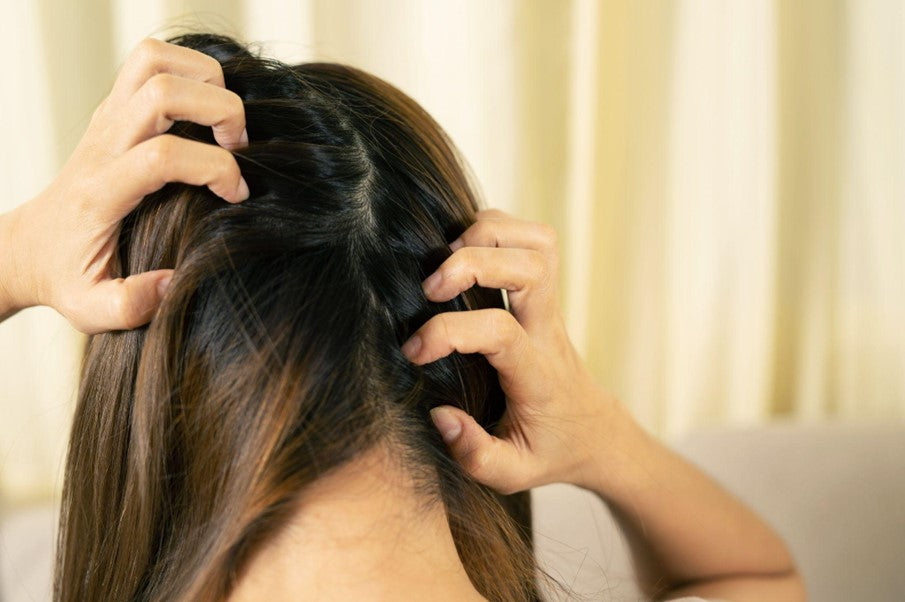
When itchy scalp and hair loss occur together, it is not recommended to treat the loss first and ignore the irritated scalp. It's better to work on what is irritating the scalp, reduce the level of inflammation and scratching, and check whether hair loss is still present.
1. Remove the source of irritation
If itching began after changing a shampoo, hair styling products, hair dyes, or some other scalp care products, consider whether that exposure could be the cause. Contact dermatitis can cause an itchy, irritated reaction after exposure to an irritant or allergen. Always do a patch test first before using any new product to see if it is suitable for your skin or not. If symptoms continue or keep returning, professional assessment can help identify the trigger.
2. Stop the itch–scratch cycle
Although scratching brings temporary relief, continuous scratching can further irritate the scalp and harm your hair. This matters most if shedding is concentrated around areas that you scratch continually. If your scalp is always itchy, try to focus on identifying and managing the underlying condition rather than simply trying to suppress the sensation.
3. Calm the scalp before adding hair-loss support
Once you know what the scalp problem is, treat that specific condition. Identifying the cause of an itchy scalp is essential since different scalp problems need different treatment methods.
This avoids reaching for a hair-loss product when the scalp condition is the thing actually driving the shedding. Scalp-calming masks like Two Herb’s Collagen Mask can help soothe the scalp and hydrate it from within.
4. Give the hair time to respond
Hair does not necessarily stop shedding as soon as your scalp starts feeling better. Your scalp may stabilise while your hair growth process still needs time to catch up, so do not jump from one treatment to another in a week or two.
If the itching improves but you still have problems with shedding, a changing pattern or increased thinning, that is a reason to investigate the hair loss separately.
Start With the Right Problem
An itchy scalp and hair loss are common enough that they often turn up together by coincidence. That is why the order of treatment matters more than the choice of product. If the scalp is inflamed, flaking or tender, calming it first is usually the step that makes everything else work.
If the thinning follows a clear pattern and the itch is mild, you are more likely looking at two separate problems that need managing side by side.
The hard part is telling which situation you are in. A scalp analysis shows the condition of the skin and the follicles directly. This is the quickest way to find out whether the itch is causing the shedding or simply happening at the same time.
Book a scalp analysis at Two Herbs.
Frequently Asked Questions
Can an itchy scalp mean hair growth?
No. The itchiness of the scalp is not a reliable indicator that hair is growing. It can occur because of scalp irritation or other underlying conditions.
Will hair lost from an itchy scalp grow back?
Usually, yes, but it depends on the underlying cause. If the shedding is due to some temporary scalp condition without permanent damage to the follicles, then the hair will grow again.
Is itchy scalp and hair loss a sign of something serious?
Not necessarily. However, patchy hair loss, pus, pain, swelling, or severe itching should be professionally assessed.
How long after the itch stops should shedding slow?
There is no fixed timeframe. The scalp may heal before the hair cycle, so shedding takes time to normalise.
